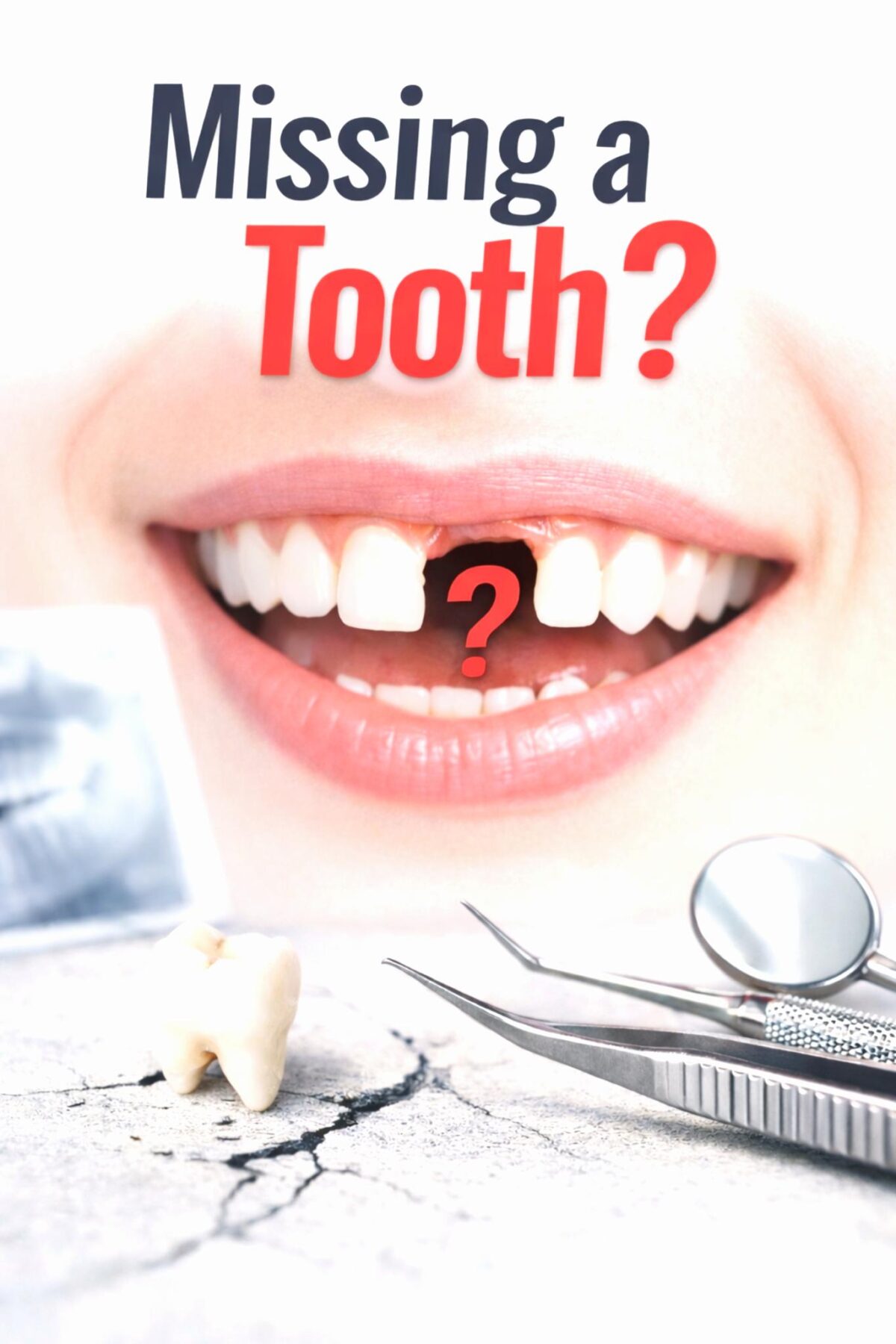
Don’t Ignore a Missing Tooth

Tooth Loss in 2026: How It Affects Your Health Beyond Your Smile

In 2026, tooth loss is no longer viewed as just a dental issue—it is now recognized as a whole-body health concern. Recent studies and online search trends show that more people are linking tooth loss to digestive, muscular, and even emotional problems.

Losing a tooth may seem common, but failing to replace it in a timely manner can lead to progressive consequences that many people are unaware of.


What Happens in Your Body When You Lose a Tooth?

When a tooth is missing, the body reacts almost immediately:

  • The jawbone begins to deteriorate due to lack of stimulation
  • Facial muscles adapt incorrectly
  • The bite becomes unbalanced
  • Increased pressure is placed on remaining teeth
  • Digestion is affected due to inefficient chewing

Over time, this can lead to jaw pain, headaches, and premature wear of the remaining teeth.


Tooth Loss and Premature Facial Aging

One of the most frequently searched questions in 2026 is:
“Does tooth loss make your face look older?”

The answer is yes.

Missing teeth can cause:

  • Sunken lips and cheeks
  • Changes in facial profile
  • An older appearance
  • Loss of facial bone support

Replacing a missing tooth promptly helps preserve facial structure and maintain facial harmony.


Dental Implant vs. Dental Bridge: Key Differences in 2026

🦷 Dental Implant

A dental implant replaces both the tooth root and the crown.

Ideal for:

  • Patients seeking a long-term solution
  • Individuals with good bone health
  • Those who want to avoid wear on neighboring teeth

Key benefit:
Stimulates the jawbone and prevents bone loss.


🦷 Dental Bridge

A dental bridge relies on adjacent teeth to close the gap.

Ideal for:

  • Cases where implants are not viable
  • Faster functional solutions
  • Specific clinical situations

Consideration:
Adjacent teeth must be prepared to support the bridge.

👉 The right choice depends on a personalized professional evaluation.


How to Prevent Tooth Loss in 2026

The most recommended preventive strategies today include:

  • Early management of gum disease
  • Digital diagnostics and periodic X-rays
  • Use of night guards for bruxism (teeth grinding)
  • Personalized oral hygiene education
  • Regular dental visits, even when no pain is present

Prevention remains the most affordable and effective way to protect your smile.


Most Searched Topics and Questions Online

  • What happens if I don’t replace a missing tooth?
  • How long can I go without a tooth?
  • Do dental implants last a lifetime?
  • Can a dental bridge damage other teeth?
  • Does tooth loss affect overall health?

Frequently Asked Questions About Tooth Loss

What happens if I don’t replace a missing tooth?
Failing to replace a missing tooth can cause neighboring teeth to shift, jawbone loss, and bite problems. Over time, it can also affect chewing, speech, and facial appearance.

How long can I go without a tooth?
While some people wait months or even years, bone loss begins shortly after extraction. The longer you wait, the more complex and costly future treatment may become.

Does tooth loss affect my overall health?
Yes. Poor chewing can affect digestion and place excess stress on other teeth and the jaw. Additionally, periodontal disease has been linked to conditions such as diabetes and cardiovascular disease.

Which is better: a dental implant or a dental bridge?
A dental implant replaces the root and helps preserve bone, while a bridge relies on neighboring teeth. The best option depends on your oral health, available bone, and individual needs.

Do dental implants last a lifetime?
With proper care and good oral hygiene, dental implants can last many years and even a lifetime. Regular checkups and healthy gums are essential for long-term success.

Can tooth loss be prevented?
In most cases, yes. Good oral hygiene, regular dental visits, and timely treatment of gum disease and cavities are key to preventing tooth loss.


👩‍⚕️ Dr. Anna Munné, DDS

📍 4817 Main St #200, Houston, TX 77002
📞 (713) 795-4666
🦷 Modern Dentistry · Personalized Care · Advanced Solutions

Schedule your consultation and receive a professional evaluation tailored to your needs in 2026.
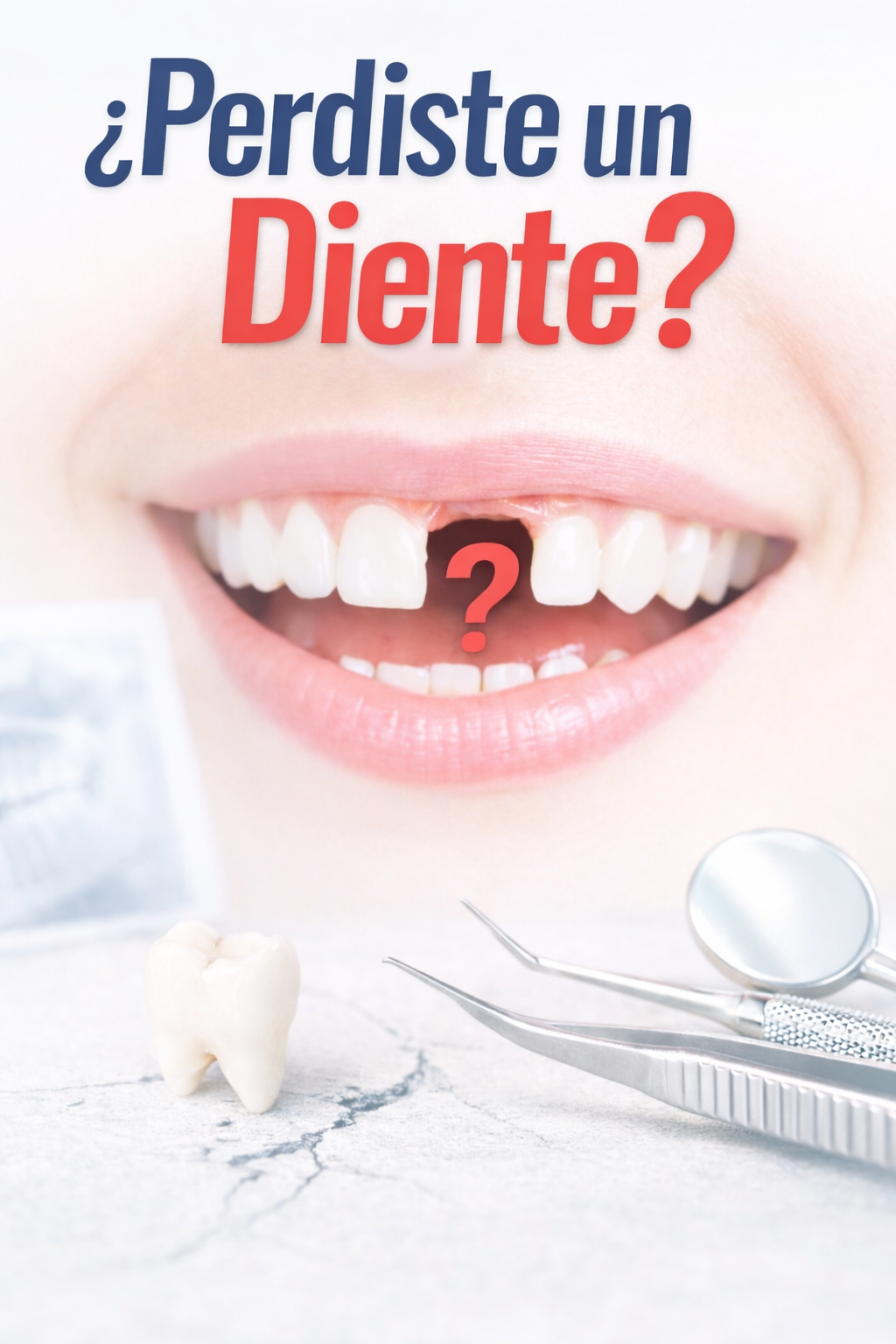

¿Qué Pasa si No Reemplazas un Diente?

La Pérdida de Dientes en 2026: Cómo Afecta tu Salud Más Allá de la Sonrisa

En 2026, la pérdida de dientes ya no se considera solo un problema dental, sino un tema de salud integral. Estudios recientes y tendencias de búsqueda muestran que cada vez más personas relacionan la pérdida dental con problemas digestivos, musculares y hasta emocionales.

Perder un diente puede parecer algo común, pero no reemplazarlo a tiempo puede generar consecuencias progresivas que muchas personas desconocen.


¿Qué ocurre en tu cuerpo cuando pierdes un diente?

Cuando falta un diente, el cuerpo reacciona de inmediato:

  • El hueso comienza a desgastarse por falta de estímulo
  • Los músculos faciales se adaptan de forma incorrecta
  • La mordida se desbalancea
  • Se genera mayor presión en otros dientes
  • La digestión se ve afectada por una masticación deficiente

Con el tiempo, esto puede provocar dolor mandibular, dolores de cabeza y desgaste prematuro de los dientes restantes.


Pérdida dental y envejecimiento prematuro del rostro

Una de las búsquedas más frecuentes en 2026 es:
“¿La pérdida de dientes envejece el rostro?”

La respuesta es sí.

La falta de dientes provoca:

  • Hundimiento de labios y mejillas
  • Cambios en el perfil facial
  • Apariencia de mayor edad
  • Pérdida de soporte óseo facial

Reemplazar un diente a tiempo ayuda a mantener la estructura facial y la armonía del rostro.


Implante dental o puente dental: diferencias clave en 2026

🦷 Implante dental

El implante dental reemplaza tanto la raíz como la corona del diente.

Ideal para:

  • Personas que buscan una solución a largo plazo
  • Pacientes con buena salud ósea
  • Quienes desean evitar el desgaste de dientes vecinos

Beneficio clave:
Estimula el hueso y previene su pérdida.


🦷 Puente dental

El puente dental se apoya en dientes adyacentes para cerrar el espacio.

Ideal para:

  • Casos donde el implante no es viable
  • Soluciones funcionales más rápidas
  • Situaciones clínicas específicas

Consideración:
Los dientes vecinos deben ser preparados para sostener el puente.

👉 La elección correcta depende de una evaluación profesional personalizada.


¿Cómo prevenir la pérdida de dientes en 2026?

Las estrategias preventivas más recomendadas actualmente incluyen:

  • Control temprano de la enfermedad de las encías
  • Diagnóstico digital y radiografías periódicas
  • Uso de protectores nocturnos para bruxismo
  • Educación en higiene dental personalizada
  • Visitas regulares al dentista, incluso sin dolor

La prevención sigue siendo la forma más económica y efectiva de proteger tu sonrisa.


Temas y preguntas que más se buscan en línea

  • ¿Qué pasa si no reemplazo un diente perdido?
  • ¿Cuánto tiempo puedo estar sin un diente?
  • ¿Los implantes dentales duran toda la vida?
  • ¿Un puente dental daña otros dientes?
  • ¿La pérdida de dientes afecta la salud general?

Preguntas Frecuentes sobre la Pérdida de Dientes

¿Qué pasa si no reemplazo un diente perdido?

No reemplazar un diente puede provocar el movimiento de los dientes vecinos, pérdida de hueso en la mandíbula y problemas en la mordida. Con el tiempo, también puede afectar la masticación, el habla y la estética facial.


¿Cuánto tiempo puedo estar sin un diente?

Aunque algunas personas esperan meses o años, el hueso comienza a perderse poco después de la extracción. Mientras más tiempo pase, más compleja y costosa puede ser la solución futura.


¿La pérdida de dientes afecta mi salud general?

Sí. Una mala masticación puede afectar la digestión y generar sobrecarga en otros dientes y en la mandíbula. Además, la enfermedad periodontal está relacionada con condiciones como diabetes y problemas cardiovasculares.


¿Cuál es mejor: implante dental o puente dental?

El implante dental reemplaza la raíz y ayuda a conservar el hueso, mientras que el puente se apoya en dientes vecinos. La mejor opción depende de tu salud bucal, hueso disponible y necesidades individuales.


¿Los implantes dentales duran toda la vida?

Con buen cuidado e higiene, los implantes dentales pueden durar muchos años e incluso toda la vida. Requieren revisiones regulares y una buena salud de encías para mantener su éxito a largo plazo.


¿Se puede prevenir la pérdida de dientes?

En la mayoría de los casos, sí. Una buena higiene dental, visitas regulares al dentista y el tratamiento oportuno de encías y caries son clave para prevenir la pérdida dental.

👩‍⚕️ Dr. Anna Munné, DDS

📍 4817 Main St #200, Houston, TX 77002
📞 (713) 795-4666 🦷 Odontología moderna · Atención personalizada · Soluciones avanzadas
Agenda tu consulta y recibe una evaluación profesional adaptada a tus necesidades en 2026.

CALL US: (713) 795-4666 Skip to content