
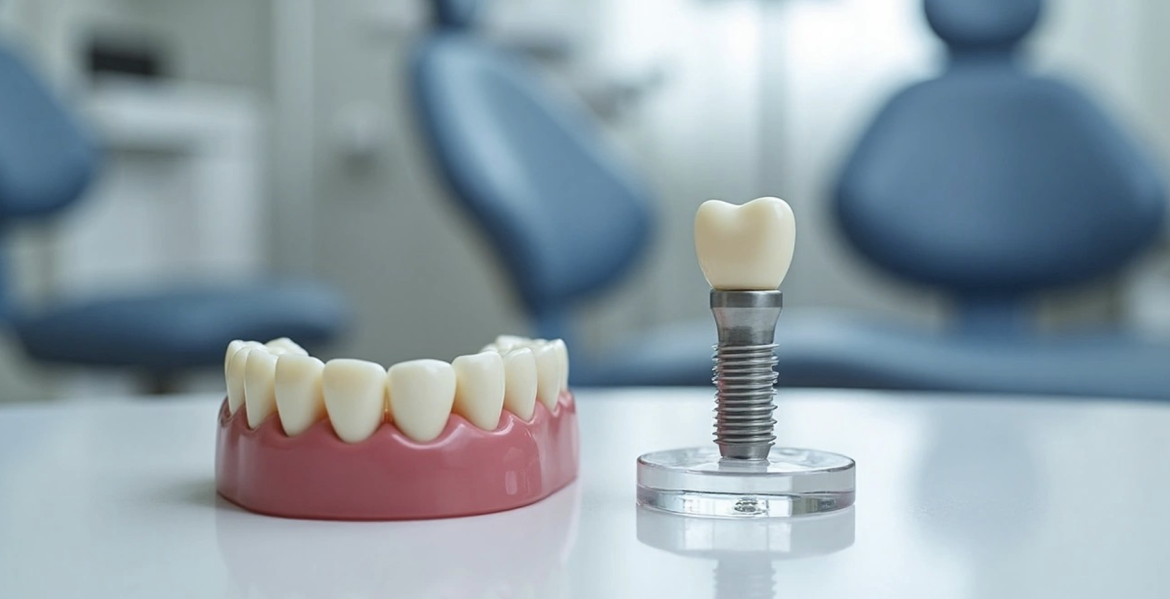
Most patients don’t get the complete picture about their options between dental bridges and implants. While bridges are often more budget-friendly, the cost difference tells only part of the story. Dental implants prove to be a smart investment since they can last for decades with proper care, while bridges typically need replacement after several years.
This piece offers an honest look at both options. You’ll learn about their costs, treatment processes, durability, and maintenance needs. A clear comparison of these popular tooth replacement choices will help you make the right decision based on your situation.
Cost of Dental Bridges vs Implants
The most important difference lies in the upfront costs between these tooth replacement options. A traditional The most important difference lies in the upfront costs between these tooth replacement options. While implants tend to have a higher initial price, they often prove more economical as time passes due to their long lifespan. Bridges, on the other hand, require periodic replacement, which can lead to higher lifetime expenses.
Insurance coverage for each option varies. Dental plans often cover a larger portion of bridge costs, while implants are increasingly being included in policies, though usually at lower coverage rates.
Your final costs for both options depend on:
- The number of teeth being replaced
- Materials used (porcelain, zirconia, metal alloy)
- Your location
- The complexity of your case
- Any additional procedures needed (such as extractions or bone grafting)
Patients without insurance can explore healthcare credit cards or dental-specific payment plans. Always request a detailed treatment plan with all costs before making your decision.
Treatment Process and Timeline

Image Source: Palm Valley Pediatric Dentistry & Orthodontics
Dental bridges and implants have very different timelines. A bridge usually requires just two appointments over a short period. The dentist prepares adjacent teeth by removing some enamel, takes impressions, and fits a temporary bridge until the permanent one is cemented in place.
Dental implants demand a longer commitment. The process begins with surgical placement of a titanium post in the jawbone, followed by a healing phase called osseointegration, during which the bone integrates with the implant. Once healed, an abutment is attached, gums are allowed to heal, impressions are taken, and a custom crown is fitted.
Bridge patients typically need no recovery time, while implant patients may need a few days to recover from surgery, plus several months for bone integration—though most can return to work quickly after the procedure.
Durability, Maintenance, and Lifespan
Dental bridges generally last several years with proper care, while implants can last decades or even a lifetime. This major difference in durability can make implants a more cost-effective choice over the long term.
Both options require maintenance, but in different ways. Bridges need careful cleaning with floss threaders to remove trapped food, along with regular professional cleanings. Implants require standard oral hygiene—brushing, flossing, and check-ups—similar to natural teeth.
A significant advantage of implants is their ability to preserve jawbone health by stimulating bone growth, something bridges cannot do. Bridges also rely on adjacent teeth for support, which can weaken them over time, while implants stand independently without affecting surrounding teeth.
Bridges most often fail due to poor oral hygiene or weakened support teeth. Implant problems usually stem from gum or bone infections around the implant site.
Conclusion
Your choice between a dental bridge and implant will shape your oral health for years to come. Bridges provide a quicker, more affordable initial solution, while implants offer unmatched longevity, functionality, and bone preservation.
Although implants have a higher initial cost, their long-term benefits often outweigh the price difference. Bridges remain a good choice for patients with health limitations, budget constraints, or the need for a faster solution. Always consult with your dentist to choose the treatment that best fits your needs, lifestyle, and oral health goals.
References
[1] – https://www.humana.com/dental-insurance/dental-resources/cost-of-dental-bridges
[2] – https://blyssdental.com/dental-bridges-vs-dental-implants/
[3] – https://www.feedinghillsdentalcare.com/the-long-term-investment-dental-implants-vs-dental-bridges
[4] – https://www.deltadental.com/us/en/protect-my-smile/procedures/dental-bridges/treatment-cost.html
[6] – https://www.royaldentalva.com/the-process-of-getting-a-dental-bridge-step-by-step-guide
[7] – https://www.bedford-smiles.com/dental-bridge-vs-implant-comparison-bedford-hills/
[8] – https://alabama-dentist.com/blog/how-long-does-it-take-to-get-implant-supported-bridges/
[9] – https://www.mayoclinic.org/tests-procedures/dental-implant-surgery/about/pac-20384622
[10] – https://www.bupa.co.uk/dental/dental-care/treatments/dental-implants/what-to-expect/procedure
[11] – https://www.gentledental.com/resources/articles/dental-bridge-vs-implant
[12] – https://www.webmd.com/oral-health/guide-expectations-dental-implants
[13] – https://www.firstclassdentalpa.com/dental-implants-vs-bridges-philadelphia/
[15] – https://mannfamilydental.com/blogs/dental-implant-vs-bridge/
[16] – https://ohaganandmurray.co.uk/dental-implants-affect-surrounding-teeth/
[17] – https://www.crescentdentalmn.com/blog/what-could-cause-a-dental-bridge-to-fail/
[18] –https://mypicassodental.com/how-does-poor-oral-hygiene-impact-your-dental-implants/